Tibetan Food Beyond The Momo
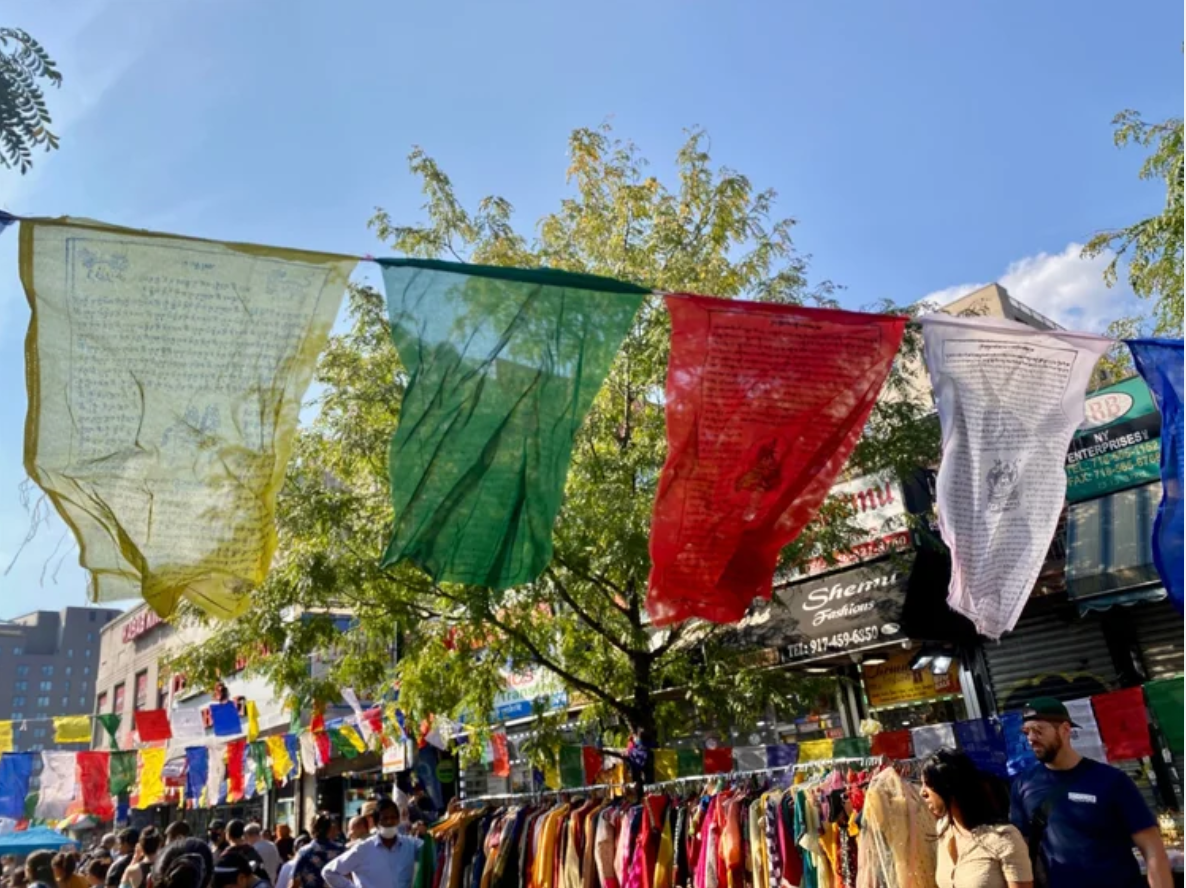
Diversity Plaza decked out for the annual Momo Crawl. All photos courtesy of Eat Your World.
ThUrsday, September 24, 2026
Welcome back to Eats in Queens, and a reminder that we’re publishing on a biweekly schedule now, two Thursdays a month.
Two Sundays ago the 14th annual Momo Crawl took place in Jackson Heights, with the largest crowds to date—and the organizers, Students for a Free Tibet (SFT), reported that more than 8K people attended last year! The lines were very long, but the vibes were high, and I personally always enjoy seeing so much momo love from visitors to the neighborhood I’ve called home for 18 years.
During the closing remarks, SFT’s interim executive director, Tenzin Myinlek, struck a balance between the celebratory nature of the day and the sobering situation in Tibet, most notably the catastrophic glacial collapse and subsequent flash flooding suffered in Tibet and Nepal in late August. Unlike in Nepal, the devastating aftermath in Tibet has been kept under tight wraps by the Chinese government, with no external humanitarian aid (or media) allowed or even accurate casualty counts provided to the press. (SFT is collecting donations via GoFundMe, to be allocated as needed along the Tibet-Nepal border with the help of their mutual aid networks in Nepal.)
We certainly have many neighbors here in Queens who are unable to locate family members back home, and it’s especially difficult for the Tibetan diaspora, as their loved ones in Tibet are forbidden to contact them.
EIQ is a food lover’s newsletter, of course, so beyond urging readers to donate to humanitarian efforts abroad if they can, we can focus on the Tibetan restaurants (and street vendors) here in Queens. Everyone now knows the momo, but there is so much more to Tibetan cuisine, so I set out to write a guide to other favorite Tibetan foods. To be honest, I didn’t expect to write nearly 2K words on the topic, but there’s just so much to taste and learn, right here in Queens! We hope it inspires more curious eaters to visit our local Tibetan eateries, as this supports the diaspora and perhaps encourages more questions about and understanding of the ongoing struggle of Tibet and Tibetans around the globe. What haven’t you tried yet?
Along these lines, in case you missed it, Jonathan recently joined Flavors of NY for a short video about Om Wok Astoria, probably the newest Tibetan restaurant in the borough. Om Wok, whose Jackson Heights/Elmhurst location just won its fourth Momo Crawl, is one of many local restaurants included in our guide.
And in other Queens Together news, QNS.com just featured QT’s current Feed a Veteran program, serving a local 96-year-old Korean War vet in partnership with Notable in Astoria.
As always, please share the Queens food love by forwarding this email to anyone you know who might be interested (they can sign up here). We will see you in October. —Laura Siciliano-Rosen, Eat Your World, editor, and Jonathan Forgash, Queens Together founder
Tibetan Food Beyond the Momo
Tibetan food isn’t Chinese food, nor Nepali nor Indian food. You’ll see some influence and crossover, naturally, but Tibetan cuisine uniquely evolved to sustain life at high elevation. And momos are only the beginning.
We’re organizing this as a dish guide—learn about the food first, and then we’ll suggest some places to try it. In many cases, several restaurants will carry the same menu items, so you can’t go wrong trying any of the restaurants mentioned. As usual, we are spoiled for choice here in Queens!
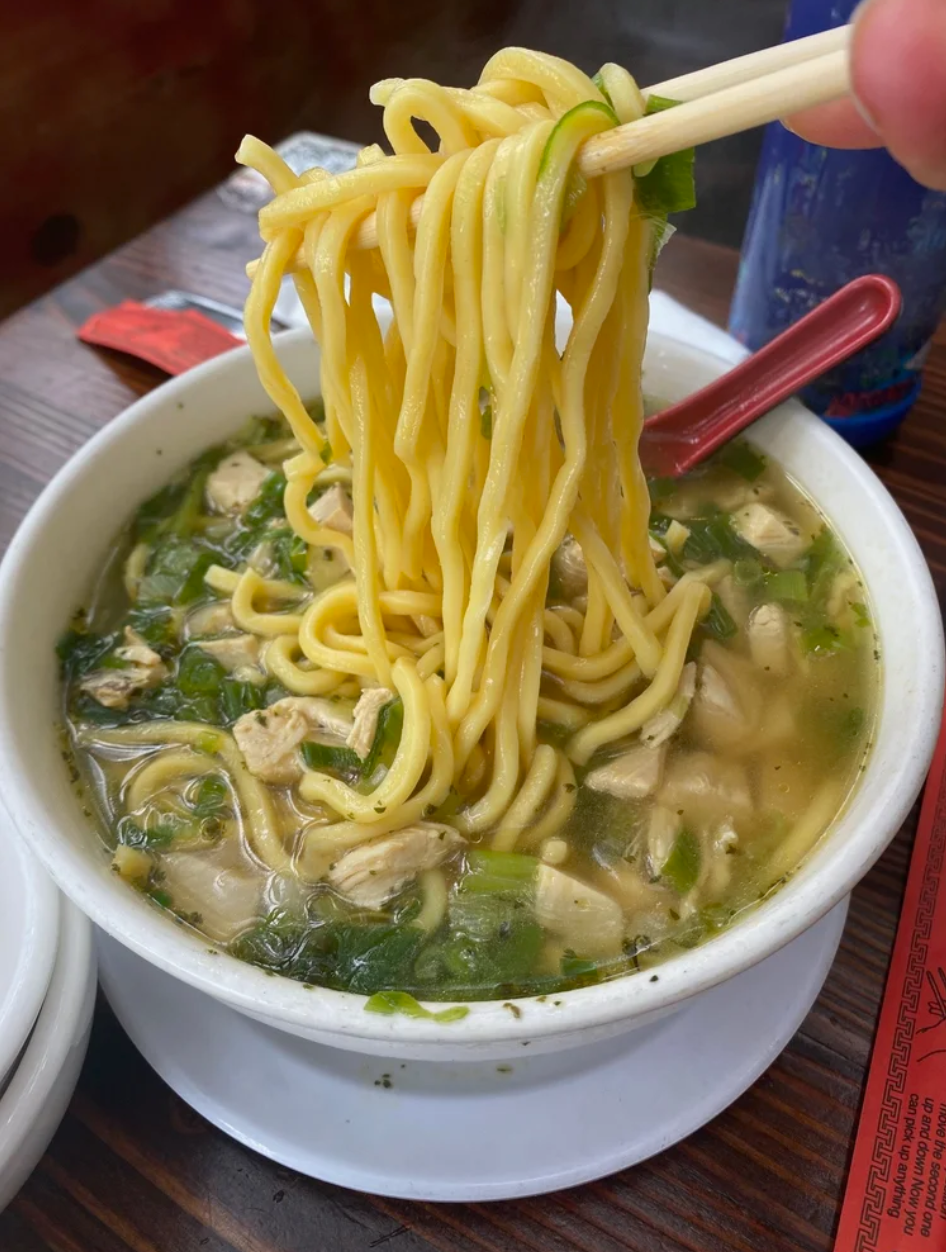
Noodle soups: Thukpa, thenthuk, gyathuk, ping/phing
Tibetan noodle soups were my first real introduction to this cuisine, many years ago—specifically thenthuk, hand-pulled noodles for which the dough is flattened, torn off, and thrown into the boiling broth. I immediately loved those rustic, chewy, bite-size noodles. For thukpa and gyathuk, you’ll see longer, skinnier, spaghetti-like noodles, likewise made with wheat flour, while ping (or phing) refers to glass noodles, typically made with mung bean or potato starch. The most classic “phing” dish is aloo phing sha, a stew of sorts with potato (aloo), meat (sha, typically beef), and glass noodles, usually paired with tingmo (steamed bun, see farther below).
Where to try it: Any Tibetan restaurant, and many Nepali ones, will offer these noodle soups with vegetables and your choice of protein. Pictured is the gyathuk with chicken from Phayul 2 (37-59 74th St.), comfort in a bowl. Om Wok (multiple locations in Jackson Heights/Elmhurst and Astoria, including 78-14 Roosevelt Ave.) has a good aloo phing sha, but we also like the spicy ping soup from Khampa Kitchen (75-15 Roosevelt Ave.). Our favorite thenthuk has long been from Laliguras (37-63 76th St.), a wonderful Nepali restaurant that does this Tibetan soup really well. Dawa’s (51-18 Skillman Ave.) in Woodside makes a great thenthuk too, using a rich bone marrow broth.
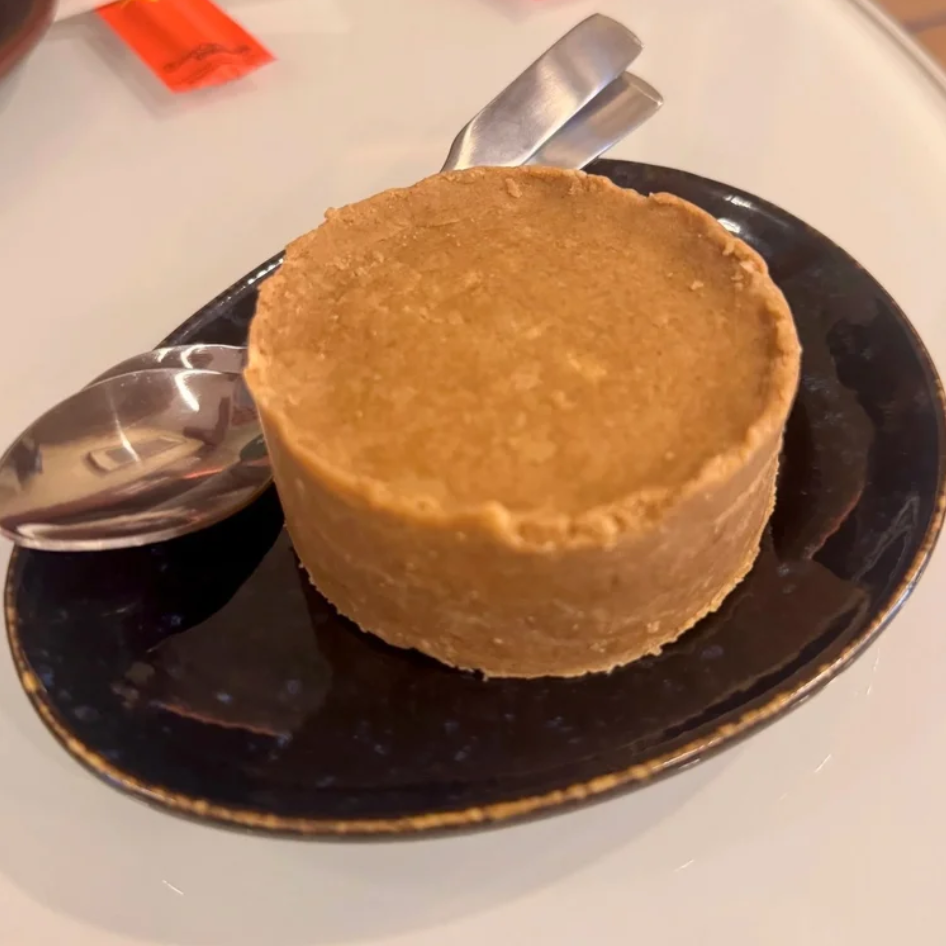
Tsampa
Tsampa refers to the roasted highland barley flour that people in Tibet have prepared and consumed for thousands of years. It’s commonly eaten in dough balls called pa, formed into cakes, or as a porridge. I’m always surprised to not see more tsampa on Tibetan menus, but it’s often prepared in homes.
Where to try it: Danang Tea House (76-21 37th Ave.), which we’ve profiled before for Eats in Queens, has a delicious housemade tsampa cake (pictured), nutty and sweet, made by combining the flour with yak cheese (technically dri cheese, from the female yak), butter, and sugar. We love the halva-like, melt-in-your-mouth texture. Khampa Kitchen also has tsampa cake, and the restaurant sells the flour in bags. In Woodside, Ngatso Cafe (39-08 63rd St.) has a sweet tsampa momo we have yet to try, plus a tsampa parfait and tsampa smoothies, while Tenzin’s Kitchen (63-17 Roosevelt Ave.) offers a traditional tsam-thuk, bone-broth tsampa soup with minced beef.
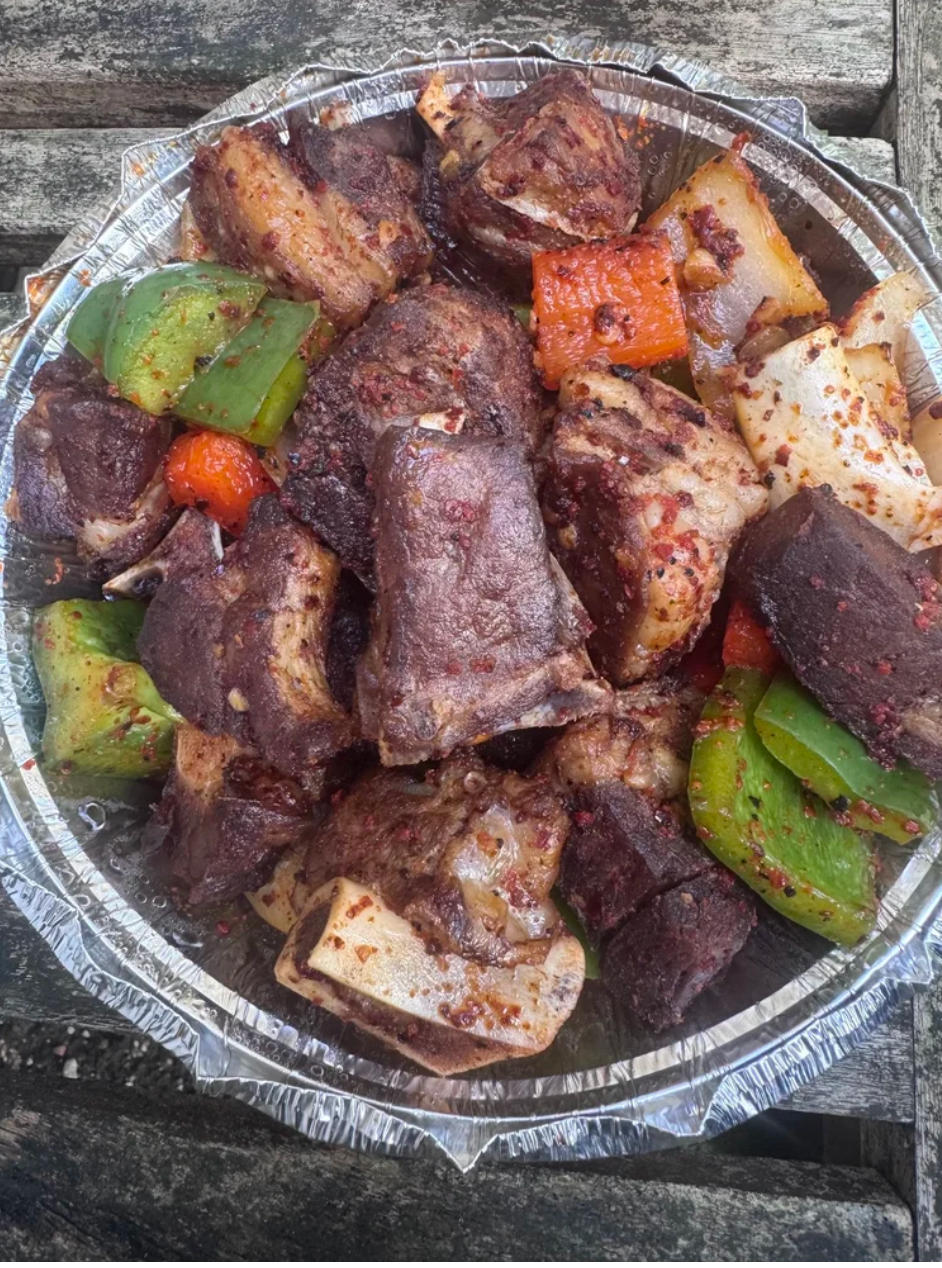
Shapta, chilli dishes, and other stir-fries
This is a broad category, but stir-fries, like noodle soups and fried noodles, are a staple of Tibetan cuisine, and they’re often paired with tingmo, a steamed bun (see below), to sop up the juices. Shapta, aka shap trak, is the standard: sliced meat, most typically beef, cooked with onions, tomato, ginger, garlic, bell peppers, chiles, and often soy sauce and Sichuan peppercorn (yerma). Chilli dishes are similar, influenced by Indo-Chinese cuisine, and tend to use a heavier hand with the chiles, as the name indicates. Sha petsel adds bok choy (petsel) to the stir-fried meat (sha). Vegetarians can often find a good spicy tofu stir-fry on Tibetan menus, but we’ll also shout out shogo, or aloo, sipsip, which is stir-fried shredded potatoes.
Where to try it: Pictured is the lamb ribs chilli from Jackson Heights’ Lhasa Fast Food (76-03 37th Ave.), which is probably my favorite meat to have prepared this way–those little nuggets of lamb are delicious. Beef, chicken, and pork chilli are available there too (and at most Tibetan restaurants)–note that you can find some interesting vegetarian variations, like French fry chilli and tofu chilli, at Spicy Tibet (75-04 Roosevelt Ave.). The beef shapta is popular at Phayul (37-65 74th St.) as well as at Darjeeling Kitchen + Cafe (31-12 36th Ave.) in LIC, where the smaller menu is 100 percent halal. Only at Himalayan Yak (72-20 Roosevelt Ave.) can you find yak shapta—the most traditional stir-fry there is!
On the vegetarian front, we like the spicy tofu at Phayul and both the shogo sipsip and tofu ngopa at Tibetan Japanese (75-26 37th Ave.), both in Jackson Heights.
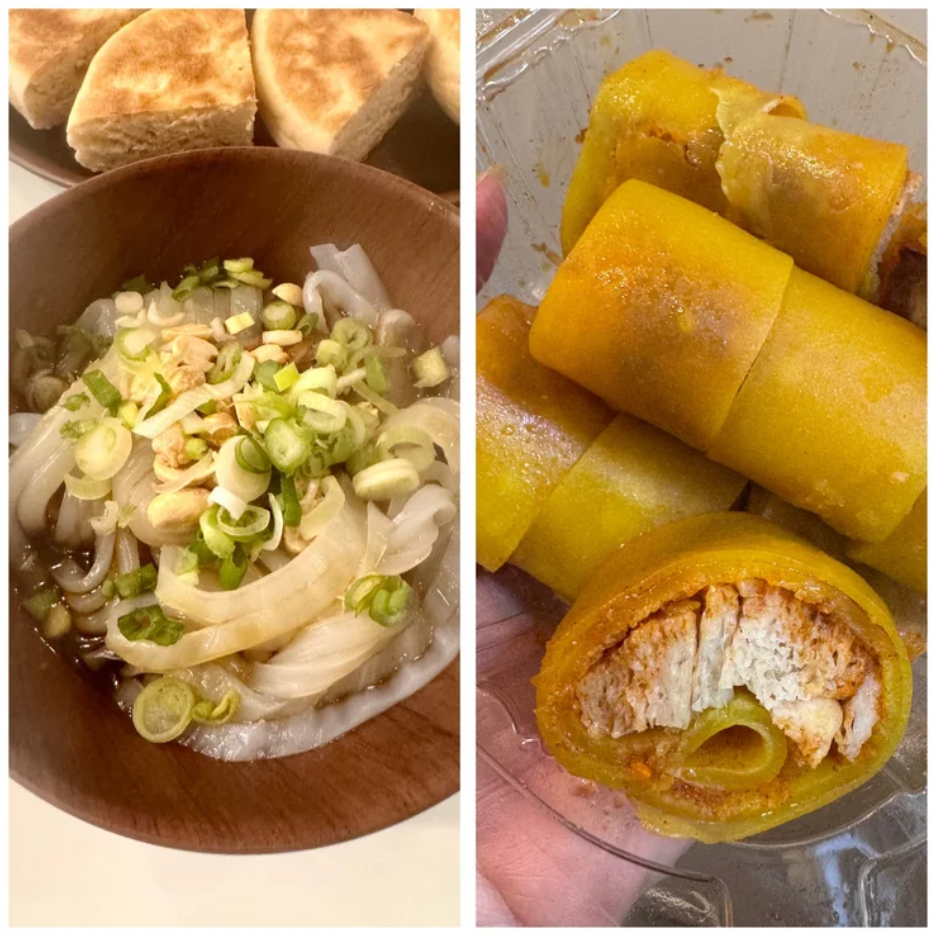
Laphing
These spicy cold noodle dishes are readily available in Queens, and thank goodness. It’s a stellar dish, prepared a number of ways: dry or in soup, white or yellow. All versions are delicious, and fiery. Most common is soupy white laphing, where the jiggly noodles, sometimes cut into blocky rectangles, are made of mung bean jelly (and are therefore gluten-free), drenched in a chile-soy sauce mix, and usually topped with peanuts and scallions. You can get white laphing “dry” as well, but typically the dry one is the yellow laphing, made from wheat flour that’s been separated into starch (the silky rolled-out noodle) and chewy gluten (what’s tucked inside the noodles, with chile sauce). Yellow laphing is often served looking like sushi rolls, but you can also order it “wet,” in a spicy broth.
Where to try it: You’ll find this dish all around Diversity Plaza in Jackson Heights, down Broadway into Elmhurst and Roosevelt into Woodside, and smack in the middle of Astoria. Any Tibetan restaurant will carry it, and many Nepali places do too. We like the fat white laphing noodles at NY Lhasa Liang Fen (74-17 Roosevelt Ave.) and both laphings at Lhasa Liang Fen (80-07 Broadway; pictured on right), where you can add meat or waiwai (crunchy ramen noodles) inside. Those two restaurants are unrelated, but liang fen is the Chinese name for this cold noodle dish.
Laphing is a common appetizer at most full-service Himalayan restaurants, but it’s also popular at the newer crop of cafes sprouting up, including Danang in Jackson Heights (pictured on left), Yilhung Cafe (40-36 75th St.) in Elmhurst, and Lhasa Snack Cafe (69-11C Roosevelt Ave.) in Woodside. You can sometimes find laphing on the street too—Potala Fresh Momo truck often carries the soupy white version.
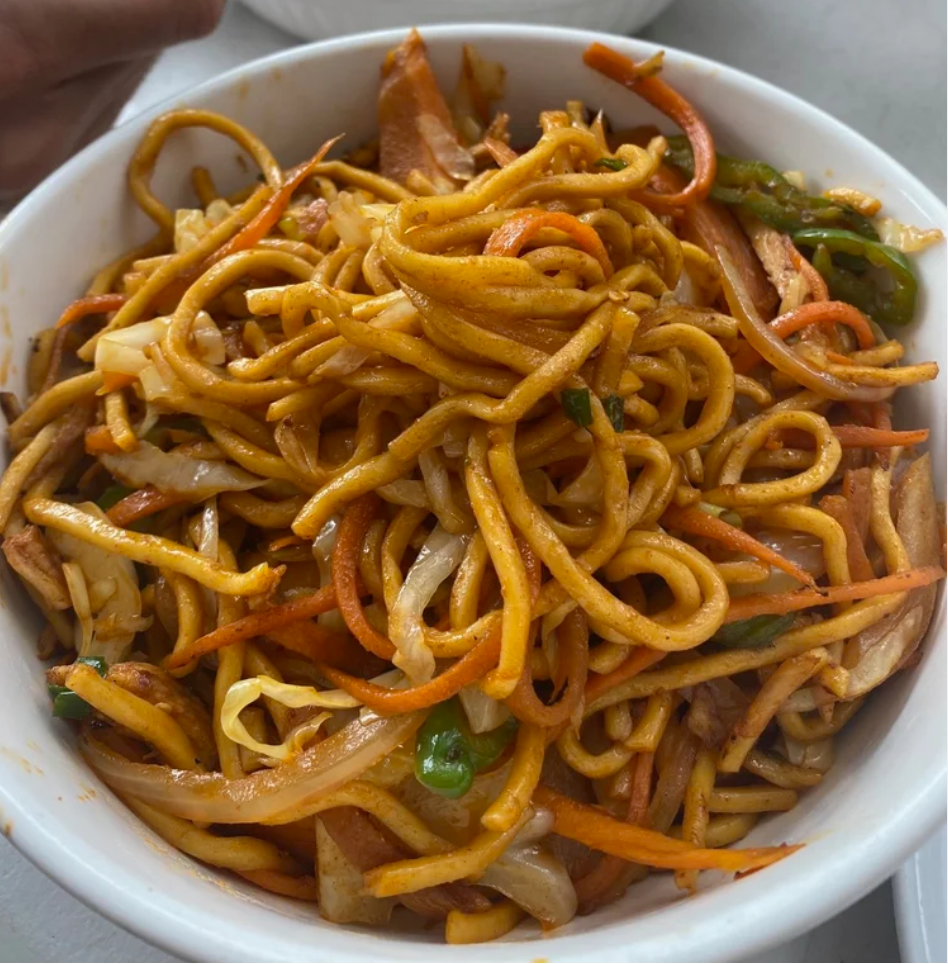
Fried noodles
You’ll also find fried rice on most Tibetan menus, but no Tibetan meal feels complete without some pan-fried noodles. Sometimes it’s chowmein; sometimes it’s Lhasa noodles (which tend to be spicier). If you’re lucky you’ll find a fried version of thenthuk, the chewy hand-ripped noodle usually served in soup. Noodles are always pan-fried with some vegetables and your choice of protein.
Where to try it: Literally any Tibetan restaurant will have some version of this—pictured are the satisfying chowmein noodles from Phayul 2. But we really love the dry fried thenthuk noodles at Lhasa Fast Food too.
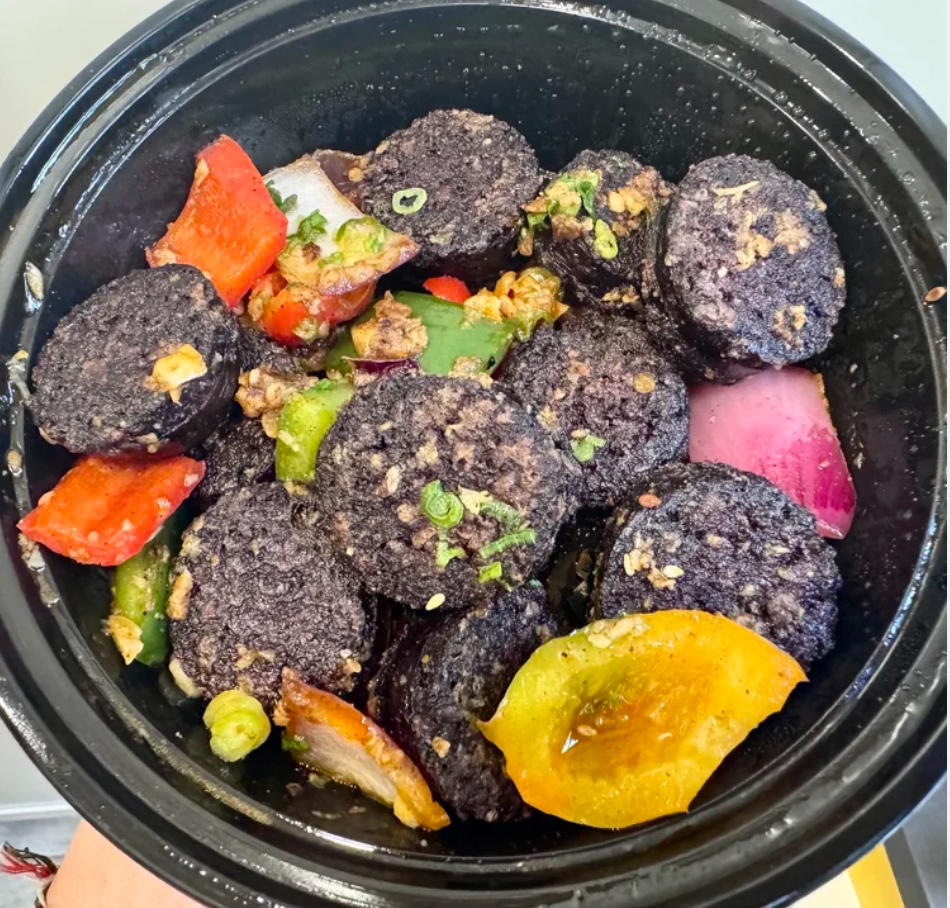
Gyuma
Many Tibetan restaurants will offer housemade gyuma, pan-fried beef blood sausage, as an appetizer, and it’s always a good idea. Crisp on the outside and soft and highly seasoned inside, the sausage is often served with pan-fried onions and peppers, which help cut through the richness. Add some chile sauce (sepen) to fire it up!
Where to try it: Pictured is the excellent gyuma from Lhasa Liang Fen in Elmhurst, where lots of garlic is used with the onions and peppers. You can find this dish all over Queens, but we’ll also suggest Lhasa Snack Cafe in Woodside, both Phayul locations in Jackson Heights, and Taste of Himalaya (75-16 Broadway) in Elmhurst.
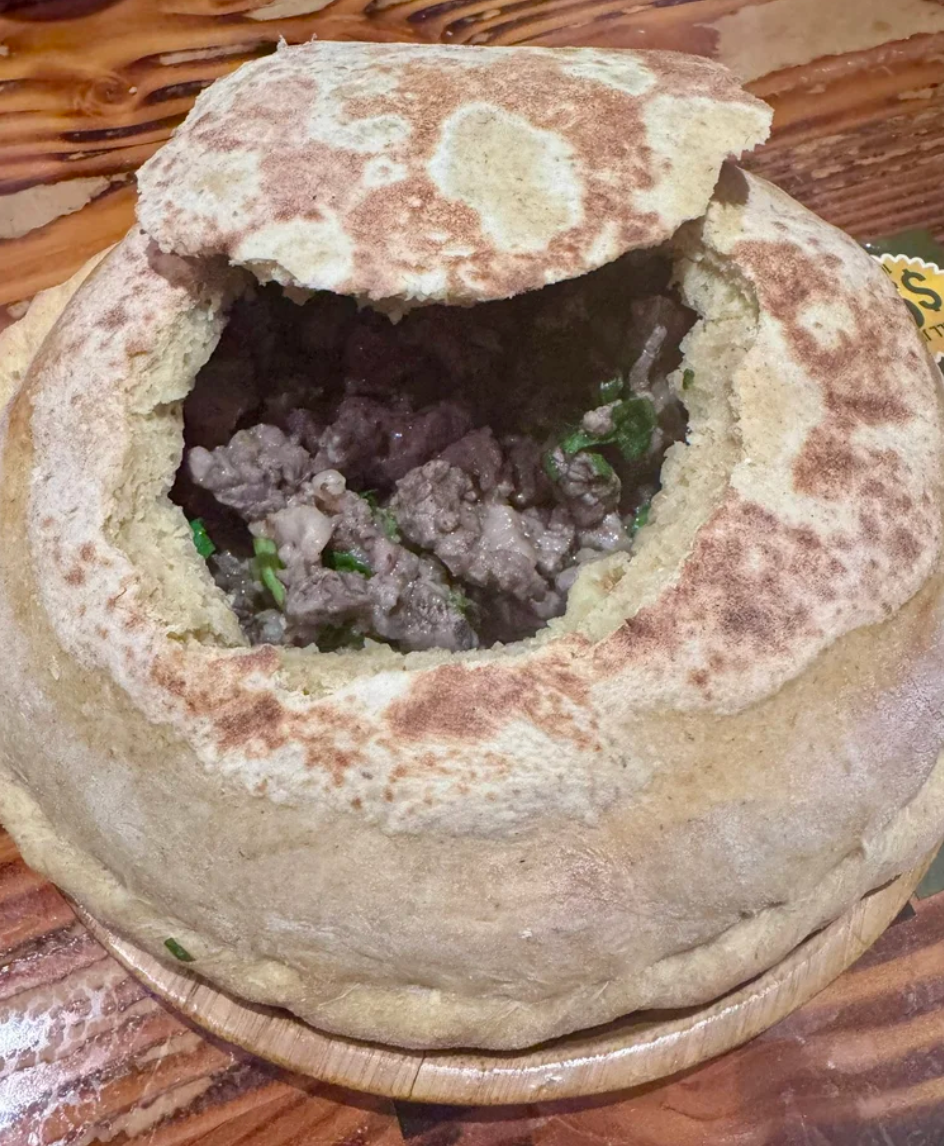
Poethek
This meat pie might be the ultimate Tibetan comfort food. It hails from Kham, Tibet, and is only available at one Queens restaurant that we know of—and it’s 100 percent worth seeking out. (Do plan ahead; it takes 45 minutes to hit the table.)
Where to try it: You have to go to Khampa Kitchen in Jackson Heights for this dish. Made with whole wheat flour, the poethek is large enough for a family to share. Aromatic beef stands in for the traditional yak meat, although chicken and vegetable versions are also available (but not recommended by our server, Zhaxi). The fattiness of the beef creates its own light, savory broth inside the pie, laced with coriander, Himalayan caraway seeds (gonye), mouth-tingling pepper (yerma), and chives, plus spinach. Zhaxi instructed us to eat with our hands, ripping off pieces of the bready pie crust to pick up the meat and broth. We enjoyed it thoroughly, but had to bring half home, which Zhaxi approved of, suggesting we pair it with morning tea. “It’s like pizza, better the next day,” she said.
Momo-like dishes: Shabhaley, tingmo, paoze
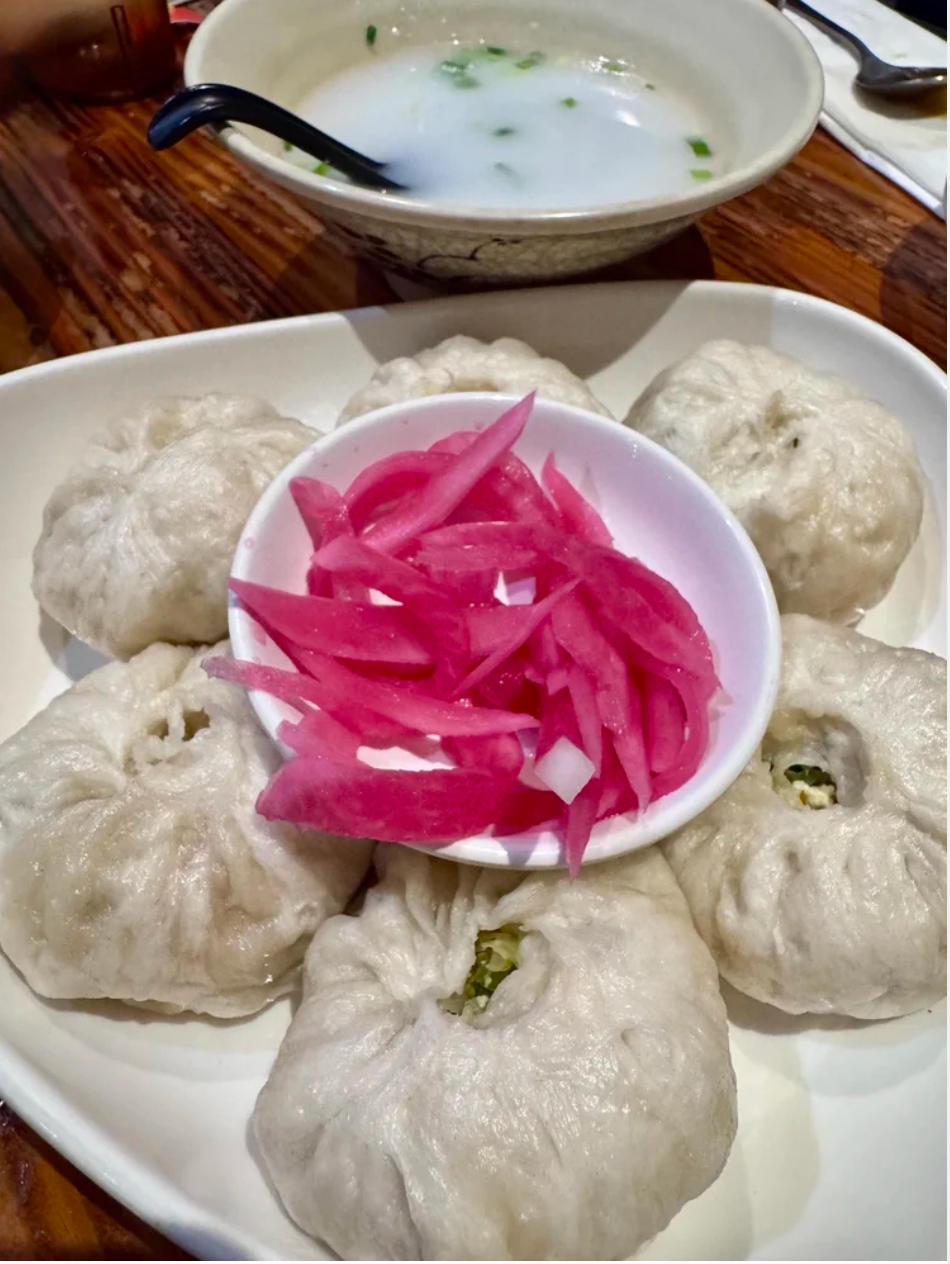
Besides the many ways a momo can be prepared, there are similar, breadier snacks that are somewhat related. Shabhaley (aka sha bhakleb) is empanada-shaped and fried, typically with meat inside; tingmo is a soft, steamed bun that’s commonly paired with spicy stews and stir-fries; paoze is similarly bready and steamed like tingmo, but filled with meat or vegetables like a momo.
Where to try them: Shabhaley and tingmo are staples on every Tibetan menu; paoze is slightly less common. We enjoyed the paoze at Khampa Kitchen in Jackson Heights (pictured), where it’s served with congee-like rice porridge on the side. The porridge is plain but comforting as is—you’re supposed to add salt (also chile) or sugar to it, as you prefer.
Butter tea and balep
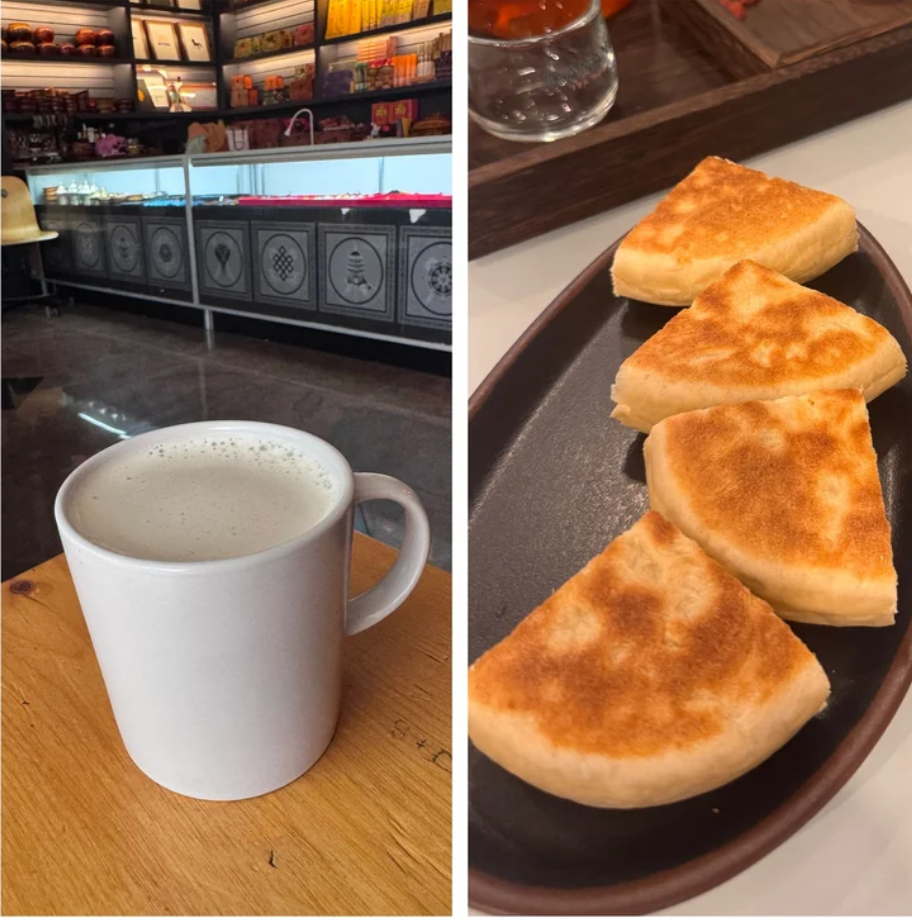
Butter tea, or po cha, is such an essential part of Tibetan cuisine that you’ll find it on nearly all Tibetan, and many Nepali, menus. While funkier yak butter is the norm in Tibet, here you’ll generally find salted butter mixed into the black tea, with milk. As expected, it’s salty, buttery, and quite rich. It’s also pretty satisfying on a cold day when your body craves some calories and a boost of energy. If you’ve ever tried adding butter or ghee to your coffee (or so-called Bulletproof coffee), this is why that exists. Tibetan monks did it long before the keto dieters and intermittent fasters!
Balep (or baklep) is a generic word for bread; sometimes you’ll see Amdo balep (from Northeast Tibet) or balep Korkun (from Central Tibet). Generally the Tibetan breads available in Queens are pan-fried till lightly crisp on the outside and served as rounds. They tend to be dense, and do not use much salt, so they pair well with some butter. (See also the very common tingmo, above, a different type of steamed bread bun.)
Where to try it: Pictured is the butter tea at Yilhung Cafe in Elmhurst, a cute hybrid cafe-Tibetan shop which serves this traditional drink light and frothy alongside a full menu of coffees and lattes, fruit teas and boba, lassi and slushies. It’s nice to sip this at a cafe with light bites, so we also suggest Danang Tea House in Jackson Heights and Arya Cafe (81-05 Queens Blvd.) in Elmhurst. For breads, we really like the fresh made-in-house baklep at Danang (also pictured), and we definitely recommend seeking out a Tibetan breakfast set that includes housemade bread, such as those at Tenzin’s Kitchen in Woodside.
If we had more space and time, we’d also write up shogo khatsa, a popular spicy potato appetizer; dropa khatsa (stewed beef tripe); mothuk (dumpling soup that’s not quite momos); chele khatsa (stir-fried beef tongue); and some more esoteric soups: rildok (a thick Sherpa soup, usually with hand-pounded potato dumplings, only found currently at Darjeeling Kitchen + Cafe) and chu rul (a funky cheese and barley noodle soup, only found currently at Phayul). We encourage you to try something new-to-you at a Tibetan restaurant in Queens, and report back! —LSR
Promote your business in the Eats in Queens newsletter.
Email contact@queenstogether.org for details.